




Für Unternehmen, die Medizin- und Sportstützprodukte auf dem US-Markt verkaufen, ist die Einhaltung der FDA-Vorschriften eine ernstere Geschäftsanforderung als je zuvor.
Nach Angaben der FDA beträgt die jährliche Registrierungsgebühr für medizinische Geräte für das Geschäftsjahr 2026 $11.423, gültig für den Zeitraum vom 1. Oktober 2025 bis zum 30. September 2026. Nach Hinzufügen der Gebühren für US-Agenten und regulatorische Dienstleistungen können die jährlichen Gesamtkosten oft zwischen $12.000 und $13.000 erreichen.
Vor Jahren waren diese Kosten wesentlich niedriger. Heute sind sie zu einer echten Belastung für Hersteller und Markeninhaber geworden. Für eine OEM-Fabrik sind die jährlichen FDA-Kosten erheblich. Für eine Marke, die in den Vereinigten Staaten verkauft, ist dies jedoch nicht optional. Wenn ein Produkt als medizinisches Gerät reguliert wird, müssen die FDA-Registrierung und -Listung korrekt gehandhabt werden.
FDA-Konformität wird zur Markteintrittsbarriere
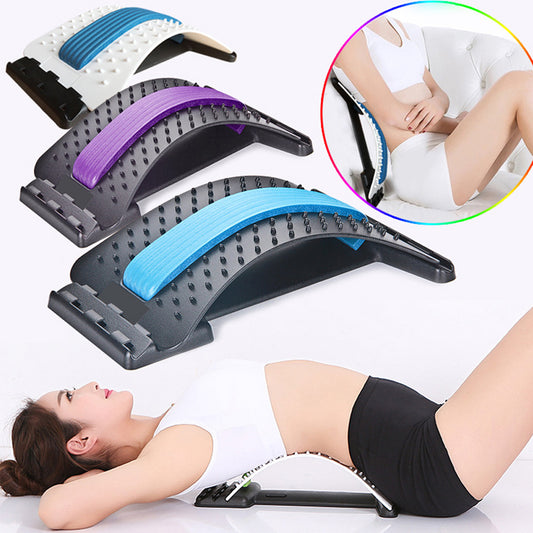
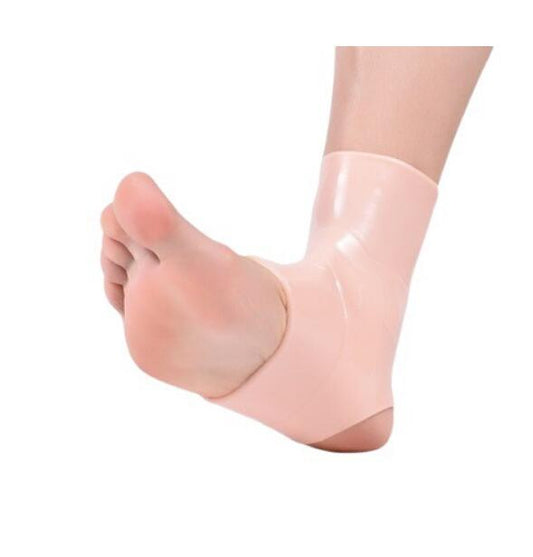
Viele Schutzprodukte, wie bestimmte Bandagen, Stützen, Rehabilitationsprodukte, Kompressionsprodukte und orthopädische Artikel, können je nach Verwendungszweck und Angaben unter die Vorschriften für medizinische Geräte fallen.
Dies bedeutet, dass die Fabrik, die Produktliste, die Importeurinformationen und die regulatorischen Dokumente mit der tatsächlichen Lieferkette übereinstimmen müssen.
Für eine professionelle OEM-Fabrik ist die FDA-Registrierung nicht mehr nur ein Dokument. Sie ist eine grundlegende Markteintrittsbarriere. Die Kosten sind hoch, aber eine seriöse Fabrik kann diese Kosten durch langfristige Produktionsmengen und stabile Kundenkooperationen absorbieren und teilen.
Fabriken, die ihre FDA-Registrierung nicht erneuern, können ernsthafte Risiken für ihre Kunden schaffen.
Was passiert, wenn die Werksregistrierung ungültig ist?
Wenn medizinische Geräte in die Vereinigten Staaten importiert werden, kann die FDA während des Importprozesses die Registrierungs- und Listungsinformationen überprüfen. Stimmen der deklarierte Hersteller oder die Produktliste nicht mit den FDA-Datensätzen überein, kann die Sendung Verzögerungen, Zurückhaltung, Ablehnung oder andere Durchsetzungsmaßnahmen erfahren.
Für Markeninhaber kann dies zu folgenden Problemen führen:
- Zollabfertigungsprobleme
- Sendungsverzögerungen
- Zusätzliche Lager- und Logistikkosten
- Risiko der Verweigerung der Einfuhr
- Mögliche Zerstörung oder Rücksendung von Waren
- Verlust von Vertriebskanälen
- Schädigung des Markenrufs
Für eine wachsende Marke kann eine einzige fehlgeschlagene Lieferung wesentlich höhere Kosten verursachen als die jährliche FDA-Registrierungsgebühr selbst.
Das Risiko der Verwendung falscher Fabrikinformationen
Auf dem Markt versuchen einige Handelsunternehmen, die FDA-Registrierungskosten zu vermeiden, indem sie Dokumente von einer registrierten Fabrik ausleihen. In einigen Fällen können die FDA-Informationen einer Fabrik für mehrere Bestellungen verwendet werden, auch wenn die Produkte tatsächlich nicht von dieser Fabrik hergestellt wurden.
Dies ist riskant.
Die FDA-Registrierung und Produktlistung sollte den tatsächlichen Hersteller und das tatsächliche Produkt widerspiegeln. Wenn die für die Importabfertigung verwendeten Informationen nicht mit der tatsächlichen Lieferkette übereinstimmen, kann die Marke mit Compliance-Problemen konfrontiert werden, wenn die Sendung den US-Markt erreicht.
Ein Handelsunternehmen kann bei Kommunikation und Beschaffung helfen, aber es kann keine qualifizierte Fabrik mit realer Produktionskapazität, korrekter Dokumentation und langfristiger Compliance-Verantwortung ersetzen.
Warum Marken mit qualifizierten Quellenfabriken zusammenarbeiten sollten
Für US-Marken geht es bei der Lieferantenwahl nicht mehr nur um den Preis. Die Compliance-Fähigkeit ist Teil des Produktwerts.
Eine qualifizierte Quellenfabrik kann Kunden unterstützen mit:
- Gültige FDA-Betriebsregistrierung bei Bedarf
- Korrekte Unterstützung bei der Produktlistung
- Besseres Verständnis von Materialien und Produktionsprozessen
- Stabilere Qualitätskontrolle
- Klarere Verantwortung in der Lieferkette
- Langfristige Zusammenarbeit für die Anforderungen des US-amerikanischen und EU-Marktes
Da die FDA-Gebühren weiter steigen, könnten einige Fabriken beschließen, ihre Registrierung nicht zu erneuern. Dies macht es für Marken umso wichtiger, vor der Auftragserteilung zu prüfen, ob ihr Lieferant aktuelle und gültige Qualifikationen besitzt.
Die Compliance wird auch in Europa strenger
Der gleiche Trend zeigt sich auch in anderen Märkten. In der Europäischen Union sind die CE- und MDR-bezogenen Anforderungen für Medizinprodukte anspruchsvoller geworden. Produktklassifizierung, technische Dokumentation, Kennzeichnung, Rückverfolgbarkeit und Konformitätsbewertung gewinnen alle an Bedeutung.
Für internationale Marken ist die Einhaltung von Vorschriften nicht nur eine Kostenfrage. Sie ist eine Grundlage für langfristigen Geschäftserfolg.
Unser Engagement
Wir sind eine qualifizierte Quellenfabrik mit umfassender regulatorischer Unterstützung für Medizin- und Sportstützprodukte. Mit jahrelanger Fertigungserfahrung verstehen wir, dass unsere Kunden mehr als nur Produktion benötigen. Sie benötigen einen zuverlässigen Partner, der die Produktentwicklung, Qualitätskontrolle und Marktkonformität unterstützen kann.
Wenn Ihre Marke Schutzartikel, Bandagen, Stützen oder rehabilitationsbezogene Produkte auf dem US-amerikanischen oder EU-Markt verkauft, kann die Zusammenarbeit mit einer qualifizierten Fabrik Risiken reduzieren und Ihnen helfen, eine stärkere, zuverlässigere Lieferkette aufzubauen.
Wir begrüßen Marken, Importeure und Distributoren, uns direkt für eine Zusammenarbeit zu kontaktieren.


