
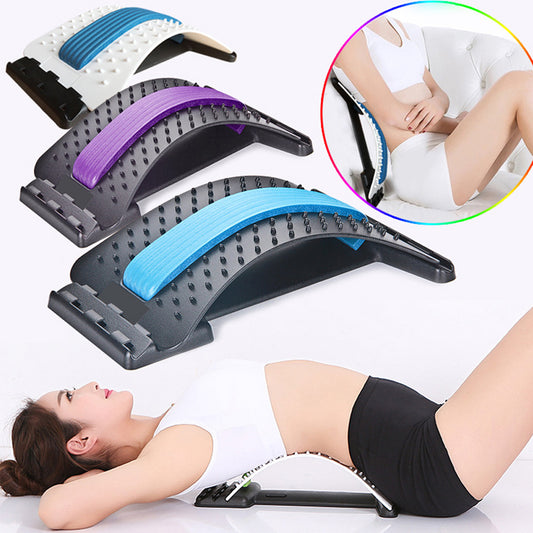




Hook and loop fasteners are one of the most critical auxiliary components in orthotic braces, lumbar supports, posture correctors, and protective gear. Although they look simple, the material type, durability, comfort, and fit of the hook and loop directly affect the wearing experience, fixing stability, and product service life of the entire protective equipment.
Many low-quality orthotic products use inferior hooks that harden after short-term use, cause skin irritation, lose adhesion, or even detach during movement. To ensure stable performance and long-term comfort, we strictly select professional-grade hook & loop materials and standardized injection hooks for all our protective gear production.
Three Common Hook Materials in Protective Gear Production
Chart 1 Suggestion: Material Performance Comparison Table
|
Hook Material
|
Comfort Level
|
Durability
|
Wear Resistance
|
Best Application
|
|---|---|---|---|---|
|
Nylon Hook
|
High (soft texture, skin-friendly)
|
Excellent
|
Strong, no easy aging
|
Medical & daily orthotic braces
|
|
Polyester Hook
|
Medium
|
Average
|
Moderate wear resistance
|
General daily accessories
|
|
Polypropylene (PP) Hook
|
Low (hard texture)
|
Poor
|
Easy to harden & wear out
|
Low-cost non-wearable products
|
Why We Choose Nylon Hook for All Our Orthotic Products
After long-term production testing and market verification, we confirm that nylon hook and loop is the most suitable material for protective gear and orthotic braces.
Unlike stiff polypropylene hooks and ordinary polyester hooks, high-quality nylon hooks feature a fine, smooth texture that is skin-friendly and non-irritating, even with long-term direct contact with human skin. It avoids itching, rubbing, and discomfort during all-day wearing.
In terms of durability, nylon hooks have outstanding anti-aging and wear-resistant properties. After repeated pasting and tearing thousands of times, the hook teeth remain intact without bending, breaking or losing adhesion. It perfectly matches the long-term use needs of lumbar braces, ankle supports, posture correctors, and other orthotic equipment, effectively solving the problem of poor fixing effect caused by fastener failure.
Injection Hook: Standard Size Classification & Stable Supply
Image Suggestion: Size display chart of 1# to 5# injection hooks, showing different width and tooth density specifications
Injection hook is a mainstream high-strength fastener for high-end protective gear. It adopts integrated injection molding technology, with neat hook teeth, strong bearing capacity, and more stable adhesion than ordinary woven hooks.
Injection hooks are classified by standard sizes: Size 1, 2, 3, 4, and 5. Different sizes match different product widths, binding strength and usage scenarios, which can accurately meet the customized production needs of various protective braces.
Stable Color Inventory for Fast Production
To support efficient order delivery and mass production, we maintain long-term sufficient stock of mainstream injection hook colors: black, white, and gray. These three universal colors perfectly match most orthotic protective gear styles, meeting Amazon standard product matching and daily market demand, while supporting rapid sample delivery and bulk order production.
Core Advantages of Our Hook & Loop Configuration
1. Premium Nylon Material: Skin-friendly, soft, durable, and wear-resistant for long-term wearing 2. Standard Size Injection Hooks: 1#–5# complete specifications, accurate size matching 3. Adequate Spot Inventory: Black, white, gray in stock for fast delivery 4. Strong Fixing Performance: Repeated tearing without degumming or tooth loss 5. Orthotic-grade Safety: No skin irritation, suitable for medical protective gear


