
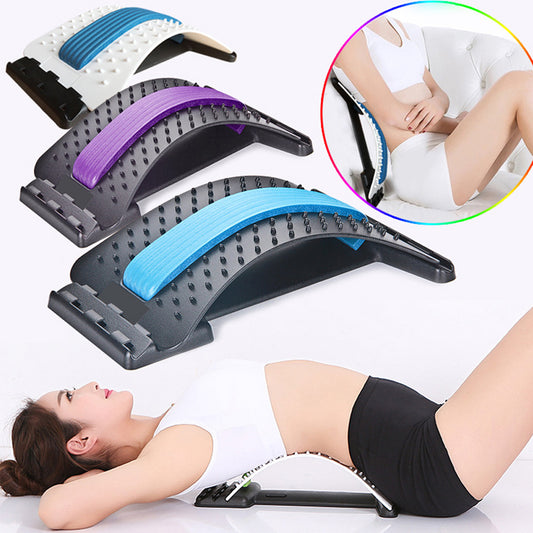





Rückenschmerzen, steife Lendenmuskulatur und eine schlechte Körperhaltung sind weltweit zu häufigen Problemen für Büroangestellte, Autofahrer und Fitness-Enthusiasten geworden. Langes Sitzen, falsche Stehpositionen und mangelnde Entspannung der Wirbelsäule können leicht zu Bandscheibenkompressionen, verspannten Rückenmuskeln und sogar anhaltenden Schmerzen führen. Der Kenko Rückenstrecker ist ein professionelles orthopädisches Wirbelsäulen-Dekompressionsgerät, das diese Probleme lösen soll. Mit seinem ergonomischen Krümmungsdesign, der einstellbaren Höhe und dem hochwertigen, leichten ABS-Material hilft er den Benutzern, die Wirbelsäule sicher zu dehnen, Rückenverspannungen zu lösen und eine schlechte Körperhaltung zu Hause oder im Büro zu korrigieren. Wenn Sie Ihren Kenko Rückenstrecker gerade erst bekommen haben und nicht wissen, wie Sie ihn richtig anwenden, hilft Ihnen diese detaillierte Gebrauchsanweisung, den besten Dehnungseffekt zu erzielen und Fehler bei der Anwendung zu vermeiden.
Was ist ein Kenko Rückenstrecker und wie funktioniert er?
Der Kenko Rückenstrecker ist ein tragbares Gerät zur Dehnung der Wirbelsäule, das auf dem Prinzip der Schwerkraft-Wirbelsäulen-Dekompresssion basiert. Im Gegensatz zu herkömmlichen, heftigen Dehnungen nutzt er sanften Bogendruck und Schwerkrafttraktion, um die Wirbelsäule langsam zu dehnen, den Spalt zwischen den Bandscheiben zu erweitern, komprimierte Nerven zu entlasten und steife Lenden- und Rückenmuskeln zu entspannen.
Er lindert häufige Beschwerden wie Lendensteifigkeit, Verspannungen im oberen Rückenbereich, Buckelhaltung, leichte Wirbelsäulenkompression und tägliche Rückenermüdung. Leicht, kompakt und langlebig, eignet er sich für die tägliche Physiotherapie zu Hause, zur Entspannung im Büro und zur Erholung des Rückens nach dem Sport und bietet professionelle chiropraktische Linderung ohne teure Salonbesuche.
Schritt-für-Schritt-Anleitung: So verwenden Sie den Kenko Rückenstrecker richtig
Die richtige Bedienung ist der Schlüssel zu einer sicheren und effektiven Dehnung. Befolgen Sie die folgenden Schritte für die Standardanwendung, insbesondere für Anfänger.
Schritt 1: Wählen Sie einen ebenen und stabilen Platz
Legen Sie den Kenko Rückenstrecker auf einen ebenen, harten Untergrund oder eine Yogamatte. Vermeiden Sie weiche Betten oder Sofas, da diese den Dehnungseffekt abschwächen und eine instabile Unterstützung verursachen, was die Ausrichtung der Wirbelsäule beeinträchtigt.
Schritt 2: Stellen Sie den Strecker auf die passende Stufe ein
Der Kenko Rückenstrecker unterstützt eine mehrstufige Höhenverstellung, um sich an unterschiedliche Dehnungsintensitäten anzupassen. Für alle Anfänger gilt: Beginnen Sie immer mit der niedrigsten Stufe. Die niedrige Stufe bietet eine sanfte Bogenunterstützung, um Ihrem Rücken zu helfen, sich an den Dehnungsdruck anzupassen. Nach 1–2 Wochen der adaptiven Anwendung können Sie die Höhenstufe für eine tiefere Wirbelsäulen-Dekompresssion entsprechend Ihrem körperlichen Zustand schrittweise erhöhen.
Schritt 3: Setzen Sie sich hin und richten Sie Ihre Körperhaltung aus
Setzen Sie sich stabil auf den unteren Rand des Rückenstreckers, beugen Sie die Knie und stellen Sie die Füße flach auf den Boden. Halten Sie Ihre Hüften nahe am Gerät, um sicherzustellen, dass der Lendenwirbelbereich perfekt zu Ihrem unteren Rücken passt, was die Grundlage für eine präzise Wirbelsäulendehnung bildet.
Schritt 4: Langsam zurücklehnen und entspannen
Stützen Sie Ihren Körper mit den Händen auf beiden Seiten ab und lehnen Sie sich dann langsam zurück, bis Ihre gesamte Wirbelsäule natürlich in die Bogenrille des Streckers passt. Halten Sie Kopf und Nacken entspannt auf dem Boden, legen Sie die Arme natürlich mit den Handflächen nach oben an den Körper und entspannen Sie Schulter- und Rückenmuskulatur vollständig. Wölben Sie den Rücken nicht und spannen Sie den Körper nicht bewusst an.
Schritt 5: Halten und 5–10 Minuten tief atmen
Halten Sie die Dehnungsposition stabil, atmen Sie langsam und tief in den Bauch ein und lassen Sie die Schwerkraft Ihre Wirbelsäule sanft dehnen. Die empfohlene Einzelanwendungsdauer beträgt 5 bis 10 Minuten. Anfänger sollten nicht blindlings eine lange Dehnung anstreben. Übermäßiges Dehnen führt zu Muskelkater und Beschwerden an der Wirbelsäule. Nachdem sich Ihr Körper angepasst hat, können Sie die Dauer auf 10–15 Minuten pro Sitzung verlängern.
Schritt 6: Langsame Erholung (entscheidender Schritt)
Setzen Sie sich nach Beendigung der Dehnung nicht abrupt auf oder stehen Sie auf. Drehen Sie zuerst Ihren Körper langsam zur Seite, stützen Sie sich mit den Händen auf dem Boden ab, um langsam aufzustehen, und setzen Sie sich 30 Sekunden lang ruhig hin, damit sich Ihre Wirbelsäule und Muskeln allmählich in ihren natürlichen Zustand zurückversetzen können, um Schwindel oder Lendenwirbelsäulenbelastung durch plötzliche Haltungsänderungen zu vermeiden.
Beste Anwendungshäufigkeit und tägliche Routine-Tipps
-
Anfängerstadium (1–2 Wochen): 1–2 Mal täglich, 5 Minuten pro Sitzung mit der niedrigsten Stufe, um den Rücken an den Zugdruck zu gewöhnen.
-
Anpassungsphase (ab 3 Wochen): 2 Mal täglich (morgens und abends), 8–12 Minuten pro Sitzung, und die Stufe entsprechend der Toleranz anpassen.
-
Optimale Anwendungszeit: Morgens nach dem Aufstehen zur Linderung der nächtlichen Wirbelsäulensteifigkeit oder vor dem Schlafengehen zur Entspannung verspannter Rückenmuskeln und Verbesserung der Schlafqualität.
-
Anwendung nach dem Training: Geeignet zur Linderung von Rückenschmerzen nach Fitness, Yoga und langen Autofahrten.
Wichtigste Vorteile der täglichen Anwendung des Kenko Rückenstreckers
-
Linderung von Rücken- und Lendenwirbelsäulenschmerzen: Effektive Dekompression der Wirbelsäule, Reduzierung des Bandscheibendrucks und Linderung chronischer Lendenwirbelschmerzen und Rückensteifigkeit, die durch sitzende Tätigkeiten verursacht werden.
-
Korrektur einer schlechten Haltung: Allmähliche Wiederherstellung der natürlichen physiologischen Krümmung der Wirbelsäule, Verbesserung von Rundrücken, Vorwärtsneigung des Kopfes und ungleichmäßiger Schulterhöhe.
-
Entspannung der Muskelverspannungen: Gezielte Massage verspannter Rückenmuskelgruppen, Beseitigung der täglichen Müdigkeit und Entspannung des Körpers.
-
Tragbar und bequem: Leichtes und kompaktes Design, einfach zu transportieren, kann zu Hause, im Büro, auf Reisen und im Fitnessstudio verwendet werden.
-
Sichere Physiotherapie: Nicht-invasive Schwerkraftdehnung, keine Nebenwirkungen, geeignet für die langfristige tägliche Gesundheitspflege.
Wichtige Hinweise und Kontraindikationen
Um eine sichere Anwendung zu gewährleisten, beachten Sie bitte strikt die folgenden Vorsichtsmaßnahmen:
-
Beginnen Sie niemals direkt mit der höchsten Stufe, da dies zu übermäßiger Wirbelsäulentraktion und Schmerzen führen kann.
-
Verwenden Sie es nicht länger als 15 Minuten am Stück; zu viel Dehnung schädigt die Muskel- und Wirbelsäulenstabilität.
-
Personen mit schweren Wirbelsäulenerkrankungen, Bandscheibenvorfällen, Wirbelsäulenfrakturen, Osteoporose und schwangere Frauen dürfen es nicht verwenden.
-
Beenden Sie die Anwendung sofort, wenn Sie während der Anwendung starke Schmerzen, Taubheitsgefühle oder Unbehagen verspüren.
-
Kinder benötigen während der Anwendung die Aufsicht eines Erwachsenen, um versehentliche Verletzungen zu vermeiden.
Häufig gestellte Fragen zur Verwendung des Kenko Rückenstreckers
F1: Ist es normal, bei der ersten Anwendung leichte Schmerzen zu verspüren?
A: Ja. Es ist normal, leichte Dehnungsschmerzen zu haben, wenn Ihre steifen Rückenmuskeln und komprimierte Wirbelsäule beginnen, sich an die Traktion anzupassen. Die Schmerzen verschwinden nach 2–3 adaptiven Anwendungen, und Sie werden eine deutliche Entspannung spüren.
F2: Wie lange dauert es, bis eine Haltungsverbesserung sichtbar wird?
A: Bei konsequenter täglicher Anwendung über 2–4 Wochen können die meisten Benutzer eine Verringerung der Rückensteifigkeit und eine aufrechtere Haltung feststellen. Eine langfristige Einhaltung kann den Rundrücken wirksam verbessern und die Wirbelsäulengesundheit erhalten.
F3: Kann ich es verwenden, während ich im Bett liege?
A: Nicht empfohlen. Weiche Bettflächen können keine stabile Unterstützung bieten, was den Dehnungseffekt reduziert und leicht zu einer falschen Wirbelsäulenbelastung führt. Ein harter Untergrund oder eine Yogamatte ist die beste Wahl.


