
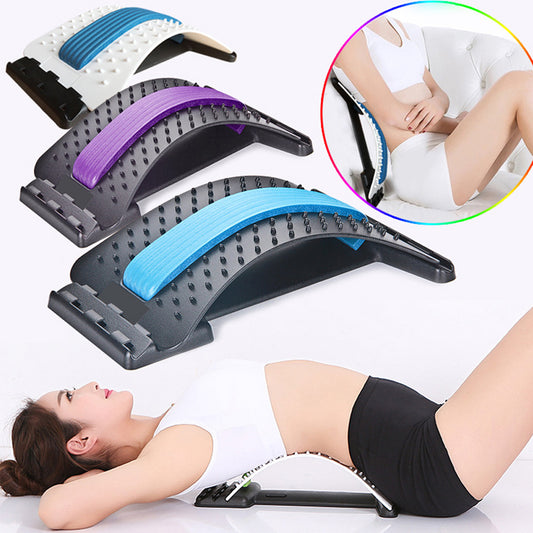

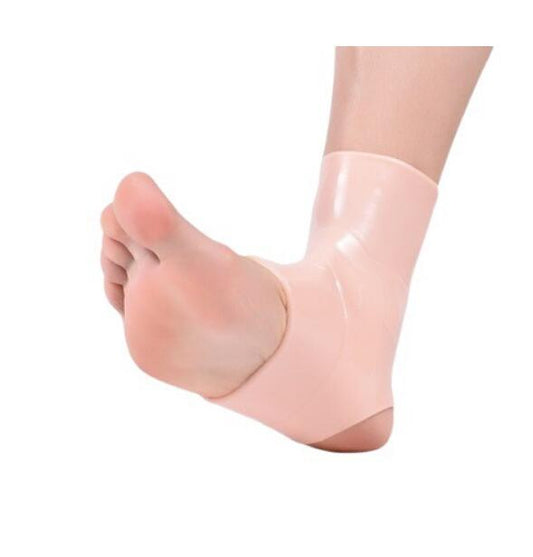


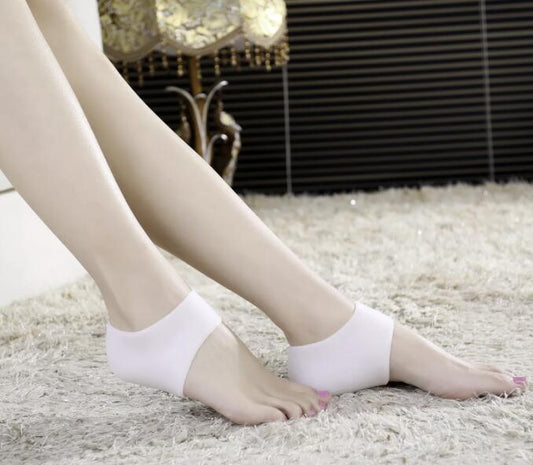

In today’s market, customers have more choices than ever before.
Almost every product category is crowded, and protective gear is no exception. Knee braces, wrist supports, ankle supports, back supports, compression sleeves, posture correctors, sports protection products, medical supports, and rehabilitation accessories all look similar from the outside.
But the real difference is not always visible at first glance.
The difference comes from materials, accessories, production equipment, manufacturing process, product structure, wearing comfort, durability, and the ability to solve a specific user problem. For a brand, building a real product advantage requires much more than simply choosing an existing item from a catalog. It requires product understanding.
This is why working directly with a source factory is so important.
A Source Factory Understands the Product From the Inside
A professional factory does not only “make” products. A factory understands how products are built.
For protective gear, small details can make a big difference:
• Which neoprene thickness offers better support without reducing comfort?
• Which elastic fabric gives better compression and recovery?
• Which hook-and-loop fastener lasts longer after repeated use?
• Which stitching method prevents tearing under tension?
• Which machine is better for shaping, laminating, cutting, sewing, or bonding?
• Which structure improves support for sports, rehabilitation, work protection, or daily use?
These are not just purchasing questions. They are product development questions.
A trading company may speak good English and communicate quickly, but if it does not deeply understand materials, equipment, and production techniques, it can only pass messages between the customer and the factory. Sometimes, even the translation can be inaccurate because the translator is not a product specialist.
For brands that want to develop better products, communication alone is not enough. Technical understanding matters.
Product Barriers Come From Deep Product Knowledge
Every successful brand needs its own product barriers. A product barrier means your product has something that competitors cannot easily copy.
In protective gear, this may come from:
• A better material combination
• A more comfortable fit
• A unique support structure
• A special compression level
• Better breathability
• Stronger durability
• Easier adjustment
• A design made for a very specific use scenario
For example, a knee brace for basketball is not the same as a knee brace for elderly daily support. A wrist support for gym training is different from one used for rehabilitation. A back support for warehouse workers has different needs from one used for posture correction.
Different applications require different solutions.
If a brand does not understand what function is needed and what material, structure, or process can achieve that function, it is very difficult to create a truly improved product.
This is why many new products cannot be developed successfully by people who have never been close to production. Without real experience in materials, machines, and manufacturing, product ideas often stay only on the surface.
Manufacturing Knowledge Helps Create Better Design
Great product design is not separated from manufacturing.
Many world-class companies understand this clearly. Apple’s product design is deeply connected with materials, structure, precision manufacturing, and supply chain capability. Elon Musk often talks about first principles thinking, which means understanding the basic nature of the problem and building from there. In product development, this also requires a deep understanding of how things are actually made.
A good factory thinks in the same direction.
When we develop protective gear with a customer, we do not only ask, “What style do you want?” We also think about:
• What problem should this product solve?
• Who will wear it?
• How strong should the support be?
• Should comfort or stability be the priority?
• What material can achieve the target performance?
• Can the structure be produced consistently?
• Will the cost match the market position?
• Can the product be improved step by step?
Sometimes early development may be slower when working directly with a factory, because real product development requires testing, adjustment, and accumulation. But this process builds long-term value. Every sample, every material test, and every production adjustment becomes part of the brand’s product knowledge.
A Factory Is More Than a Supplier
After 20 years in the protective gear industry, we understand that brands do not only need a supplier. They need a product partner.
As a source factory, we understand how important product development is for our customers. A brand’s competitors are not weak. They may be some of the best brands in the world. These competitors are constantly improving their products, researching materials, and optimizing user experience.
If a brand wants to compete seriously, it cannot rely only on a trading company that has no factory, no machines, and no production experience.
Unless the brand itself already has a very strong technical team and fully understands materials, processes, equipment, and product structure, working only through a trading company may limit product improvement.
A real factory can offer more practical support:
• Material suggestions
• Structure improvement
• Sample development
• Process optimization
• Cost control
• Quality control
• Production feasibility analysis
• Long-term product upgrading
This kind of support is difficult to replace with simple communication.
The Right Partner Helps You Build Long-Term Advantage
The protective gear market will continue to change. Customers will expect better comfort, better performance, better appearance, and more specialized products. Brands that only sell common products will face more price competition.
Brands that understand their products deeply will have more opportunities.
Working directly with a source factory helps a brand move closer to the real foundation of product development. It allows the brand to understand why a product works, how it can be improved, and what makes it different from others.
A factory with long-term experience is not just producing goods. It is helping the brand build knowledge, improve products, and create stronger market competitiveness.
For brands that want to develop serious protective gear products, the right source factory is not just a manufacturer.
It is a partner in product innovation.


