
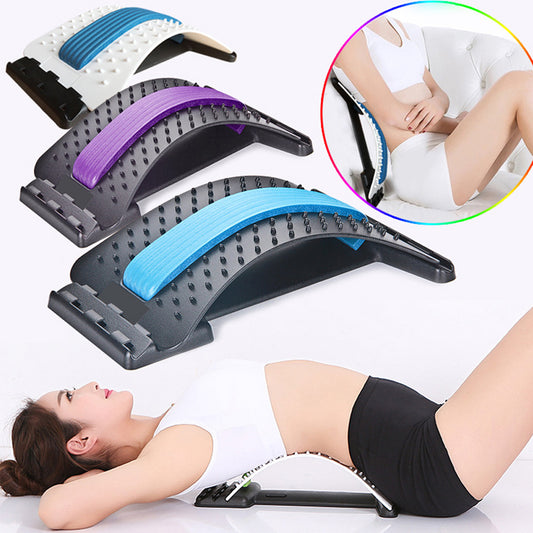

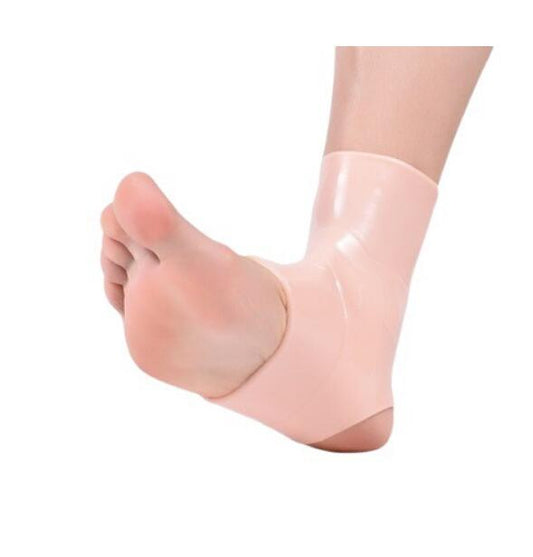



Mold quality determines product precision, surface finish, and mass production stability. As the core raw material of all mold development, mold steel directly affects mold hardness, wear resistance, corrosion resistance, and service life. Our factory specializes in four mainstream mold types: injection molds, silicone molds, stamping molds, and hot press molds. With professional graded mold steel configuration, we deliver high-precision, long-life, and high-stability mold solutions for orthotic accessories, plastic parts, and customized industrial products.
Many mold manufacturers use single ordinary steel for all scenarios, resulting in short mold lifespan, easy scratching, rusting, and frequent dimensional deviation. Professional mold manufacturing relies on scenario-based steel selection. We strictly match 718H, P20, and S136H premium mold steel for different mold processes to ensure stable production performance and perfect product molding effect.
Professional Mold Steel Grade Comparison & Performance Analysis
Chart 1 Suggestion: 718H vs P20 vs S136H Mold Steel Performance Data Chart
|
Mold Steel Grade
|
Hardness & Wear Resistance
|
Corrosion Resistance
|
Polishing Performance
|
Best Suitable Mold Type
|
|---|---|---|---|---|
|
P20
|
Medium hardness, excellent wear resistance
|
Standard
|
Fine polishing available
|
Injection molds, stamping molds, general mass production molds
|
|
718H
|
High hardness, strong compression resistance
|
Improved anti-rust performance
|
High-gloss mirror polishing
|
High-precision injection molds, hot press molds, appearance part molds
|
|
S136H
|
Ultra-high hardness, durable wear resistance
|
Excellent anti-corrosion & anti-rust
|
Top-level mirror finish
|
Silicone molds, medical-grade molds, transparent product molds
|
Steel Application for Our Four Core Mold Types
Image Suggestion: Four-mold process display — injection mold, silicone mold, stamping mold, hot press mold, matched with corresponding steel grade samples
1. Injection Molds
Injection molding is the most common process for plastic orthotic parts, shell accessories, and daily plastic products. We mainly adopt P20 and 718H steel for injection molds. P20 steel ensures stable hardness and wear resistance for long-term repetitive injection molding, effectively avoiding mold deformation and flash. 718H steel supports high-gloss mirror polishing, perfectly producing transparent, smooth, and burr-free plastic products, meeting high-standard appearance and size requirements.
2. Silicone Molds
Silicone products feature soft texture and high surface fineness requirements, and silicone materials are prone to producing corrosive substances during molding. We useS136H anti-corrosion mold steel exclusively for silicone molds. Its excellent corrosion and rust resistance prevents mold surface oxidation and residue adhesion, ensuring every silicone product has a smooth and flawless surface. It greatly extends the service life of silicone molds and reduces mold cleaning and maintenance costs.
3. Stamping Molds
Stamping molds bear frequent high-pressure impact and friction during production, which puts forward high requirements on steel hardness and fatigue resistance. We equip P20 high-wear steel for stamping molds. With stable mechanical properties and strong impact resistance, it avoids tool wear and dimensional deviation during long-term stamping production, ensuring consistent precision of stamped metal and sheet parts.
4. Hot Press Molds
Hot press molding requires long-term high-temperature and high-pressure working environment, which easily causes mold thermal deformation. We select 718H high-hardness heat-resistant steel for hot press molds. It features stable high-temperature resistance and compression resistance, no thermal deformation under continuous hot pressing, ensuring uniform product thickness and stable molding quality for orthotic hot-pressed accessories.
Why Professional Steel Grades Improve Mold Quality & Output
1. Scenario-based matching: Different steel grades correspond to different mold processes, avoiding material performance mismatch 2. Long service life: High-quality mold steel reduces mold replacement frequency and production cost 3. High molding precision: Stable hardness effectively prevents deformation, ensuring product consistency 4. Excellent surface effect: Supports mirror and matte polishing to meet diverse product appearance needs 5.Low maintenance rate: Anti-corrosion, anti-rust and wear-resistant properties reduce daily maintenance


