




Introduction
Flat feet, commonly referred to as fallen arches, is a common foot condition where the arch of the foot collapses, causing the entire sole to make full contact with the ground. This condition often leads to foot pain, ankle discomfort, gait issues, and even secondary strain on the knees, hips, and lower back. Fortunately, flat feet is highly manageable with scientific daily adjustments, targeted exercises, proper footwear, and professional orthopedic support. Whether you have mild flat feet or severe fallen arches, the practical tips below will help you relieve discomfort, strengthen foot structure, and prevent symptom deterioration.
1. Wear Supportive & Proper Footwear
Choosing the right shoes is the foundation of flat feet management. Unsupportive flat shoes will aggravate arch collapse and foot fatigue over time.
-
Supportive Daily Shoes: Opt for shoes with solid arch support and a firm heel counter to stabilize the foot and reduce excessive pressure on the soles.
-
Orthotic Inserts: Add over-the-counter or custom shoe insoles to supplement missing arch support, evenly disperse foot pressure, and correct abnormal foot posture.
-
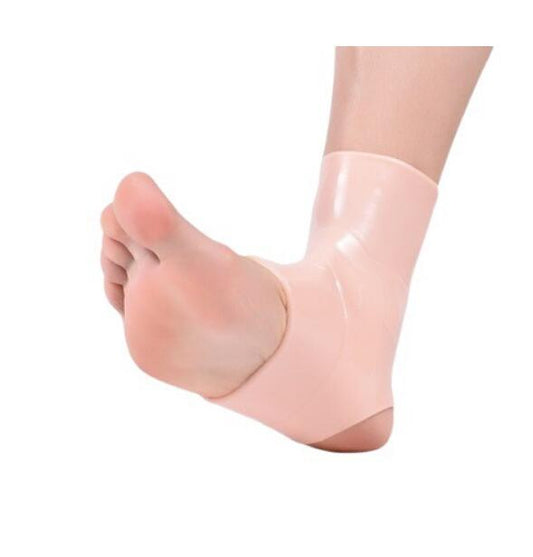
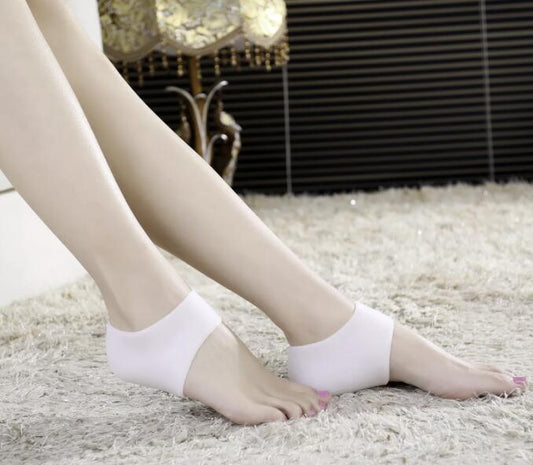
Dedicated Arch Supports: For mild flat feet, standalone arch support accessories can effectively lift and restore the natural foot arch.
-
Motion-Control Shoes: For severe fallen arches, professional motion-control shoes limit excessive foot rolling and stabilize walking posture.
2. Daily Foot Stretching & Strengthening Exercises
Weak foot and calf muscles are the main cause of progressive flat feet. Consistent stretching and strengthening exercises can enhance muscle flexibility and support the foot arch naturally.
-
Toe Spreading: Spread your toes to the maximum extent and hold for 3–5 seconds each time to activate foot muscle groups.
-
Arch Lifts: Sit upright, keep your toes flat on the ground, and actively lift the foot arch to exercise arch muscle strength.
-
Calf Stretches: Lean against a wall, straighten one leg and bend the other, and stretch the calf muscles to relieve tightness that affects foot posture.
-
Ankle Circles: Rotate ankles clockwise and counterclockwise to improve ankle flexibility and reduce foot stiffness.
3. Maintain a Healthy Body Weight
Excess body weight places continuous heavy pressure on the foot arches, accelerating arch collapse and worsening flat feet pain. Keeping a healthy weight effectively reduces foot burden, alleviates daily foot strain, and slows the progression of fallen arches.
4. Professional Physical Therapy
For moderate to severe flat feet, professional physical therapy is highly recommended. Licensed physical therapists can customize targeted training plans to strengthen weak foot muscles, repair arch elasticity, and improve overall foot stability, avoiding long-term functional damage.
5. Correct Posture & Walking Gait
Poor standing posture and irregular walking gait will exacerbate flat feet symptoms. Maintaining upright posture and standard walking techniques can evenly distribute foot pressure, reduce local strain, and prevent secondary foot and joint pain.
6. Timely Rest & Inflammation Relief
If you experience foot soreness, swelling, or fatigue due to flat feet, timely rest is essential. Applying ice to the painful area can effectively reduce foot inflammation, relieve acute discomfort, and protect foot soft tissues.
7. Night Splint Support
Night splints are an auxiliary solution for flat feet rehabilitation. Wearing splints at night keeps the foot in a neutral, standard position, continuously stretching tight foot muscles and tendons, and gradually improving collapsed arch conditions during rest.
8. Targeted Muscle Strengthening Training
In addition to stretching, persistent foot and leg muscle strengthening exercises can build stable muscle support for the foot arch, fundamentally improve the bearing capacity of the feet, and prevent arch collapse from getting worse.
9. Avoid High-Impact Activities
High-impact exercises such as long-distance running and high-intensity aerobics bring strong instantaneous impact to the feet, which will aggravate flat feet pain and arch damage. Reducing such activities protects the foot structure and accelerates rehabilitation.
10. Professional Orthopedic Intervention
For extreme severe flat feet that cause persistent pain and affect normal walking and movement, professional orthopedic surgery can reconstruct the foot arch structure and restore normal foot function.
11. Regular Professional Foot Checks
It is advisable to have your feet examined regularly by a professional podiatrist. Regular inspections can track changes in flat feet symptoms, adjust rehabilitation and management plans in a timely manner, and avoid delayed treatment.
12. Custom Orthotics for Persistent Symptoms
If flat feet cause long-term pain and obvious functional obstacles, over-the-counter inserts may not meet rehabilitation needs. Custom orthotics prescribed by podiatrists can fit your foot shape perfectly, provide targeted support, and solve personalized flat feet problems.
13. Scientific Pain Management
For persistent flat feet pain, over-the-counter pain relievers can be used for temporary relief. However, it is necessary to consult a professional healthcare provider to ensure safe and standardized medication and avoid blind use of drugs.
Final Reminder
Before starting any new exercise or rehabilitation regimen for flat feet, please consult a professional medical practitioner to ensure the plan is safe and suitable for your personal physical condition. Flat feet is a progressive foot problem; early intervention and daily scientific management are the key to relieving discomfort and preventing complications such as ankle pain, knee strain, and lower back pain.


