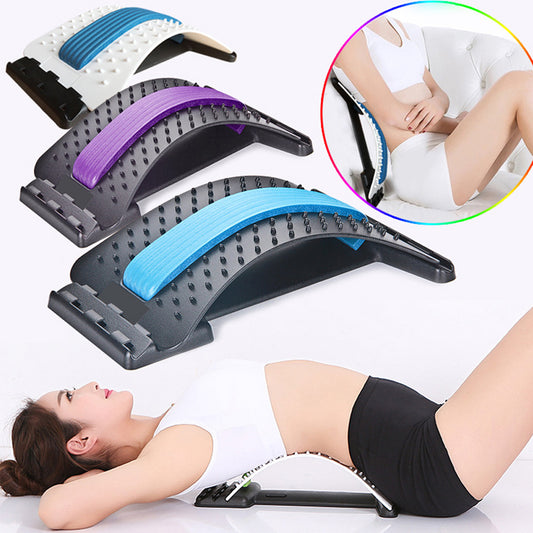

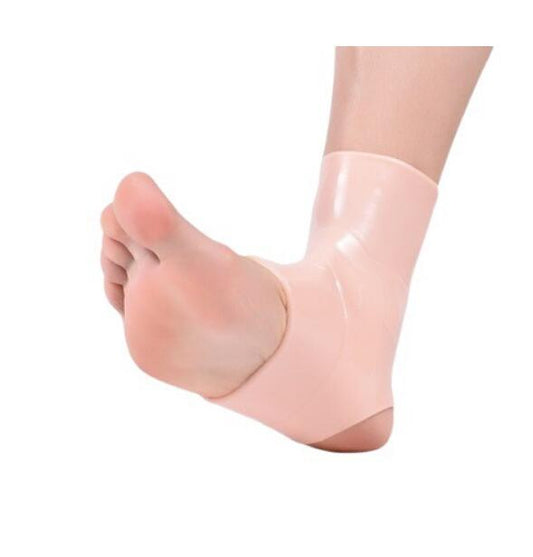


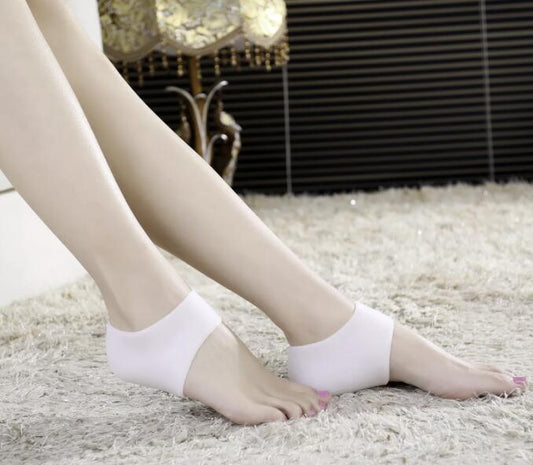
Nylon fabric, also known as Polyamide (PA) fabric, is the most versatile and widely used textile material in modern orthotic and protective gear production. Most premium-quality braces, posture correctors, lumbar supports, and rehabilitation devices rely on nylon-based materials for their outstanding elasticity, soft skin-friendly touch, durability, and stable structural performance.
Unlike ordinary cotton or chemical fabrics, professional nylon fabric is woven from pure polyamide yarn. With adjustable yarn density and diverse weaving techniques, it can be customized into elastic cloth, knitted cloth, hook-and-loop loop cloth, and functional webbing, fully meeting the multi-scenario usage needs of medical protective equipment.
Core Material Knowledge: Nylon Yarn Denier (D) Specifications
Chart 1 Suggestion: Nylon Yarn Denier Performance Comparison Chart
|
Denier (D)
|
Yarn Thickness
|
Fabric Texture
|
Key Features
|
Orthotic Application
|
|---|---|---|---|---|
|
20D Nylon
|
Ultra-fine
|
Lightweight, thin & soft
|
Breathable, ultra-flexible, skin-friendly
|
Fitting inner lining, invisible protective gear
|
|
40D Nylon
|
Medium-fine
|
Balanced soft & sturdy
|
Standard elasticity, wrinkle-resistant
|
Universal elastic fabric & knitted fabric
|
|
75D Nylon
|
Thickened
|
Thick, structured & durable
|
High wear resistance, strong tension
|
Load-bearing webbing, fixed support fabric
|
The core component of all our orthotic fabrics is nylon (polyamide) filament yarn. The thickness and density of the yarn are defined by Denier (D). Common industrial specifications include 20D, 40D, and 75D. Different denier values directly determine the fabric’s thickness, elasticity, air permeability, wear resistance and tensile strength, allowing us to select targeted materials according to different brace functional requirements.
Two Professional Weaving Machines for Orthotic Fabric Production
Image Suggestion: Comparison of horizontal weaving machine and rib machine fabric texture, showing different weave grain effects
To ensure stable fabric structure and qualified orthotic-grade quality, our factory adopts two mature professional weaving processes: horizontal loom weaving and rib machine weaving.
Horizontal Loom Weaving: This process produces neat, flat, and uniform fabric with stable tension, not easy to deform or loose. It is mainly used for making elastic cloth, ordinary knitted cloth, and magic loop cloth. The finished fabric has fine texture, good air permeability, and stable fitting performance, suitable for long-term skin contact of protective gear.
Rib Machine Weaving: Featured by three-dimensional ribbed texture and excellent vertical elasticity, the fabric has strong stretch recovery and compression resistance. It is widely used in high-elastic parts of lumbar braces, knee supports and rehabilitation straps, which can fit body curves tightly without restricting movement.
Four Major Nylon Fabric Applications in Our Protective Gear
Image Suggestion: Collage display of elastic fabric, knitted fabric, magic loop fabric, nylon webbing finished products
1. Elastic Nylon Fabric
Made of high-denier blended nylon yarn, it features high stretch and instant rebound. It fits closely to body joints, provides gentle compression support, and improves wearing comfort of sports and medical braces.
2. Nylon Knitted Fabric
Flat and delicate knitted structure, breathable and sweat-wicking, no skin irritation. It is the mainstream lining and surface fabric for daily orthotic braces, realizing comfortable all-day wearing.
3. Nylon Magic Loop Fabric
Professional matched loop surface for hook & loop fasteners, with dense and uniform fluff, strong adhesion, and repeated tearing without linting. It is the core auxiliary fabric for adjustable protective braces.
4. Nylon Webbing
Woven with thickened 75D high-strength nylon yarn, it has super tensile resistance, wear resistance and no stretching deformation. It is used for load-bearing fixing and tightening parts of all kinds of heavy-duty protective gear.
Why Nylon Fabric Is the Top Choice for Orthotic Products
1. Multi-specification optional: 20D/40D/75D yarns meet thin, standard and thickened fabric demands 2. Diversified weaving techniques: Horizontal and rib weaving fit different functional scenarios 3. Versatile application: Covers elastic cloth, knitted cloth, loop cloth and load-bearing webbing 4. Medical-grade comfort: Skin-friendly, breathable, non-deforming for long-term wear 5. High durability: Wear-resistant, elastic-recoverable, stable for repeated use


